FlixBus launches Bucharest–Chișinău route and signs first partnership with a Moldovan transport operator
Sep 15, 2026
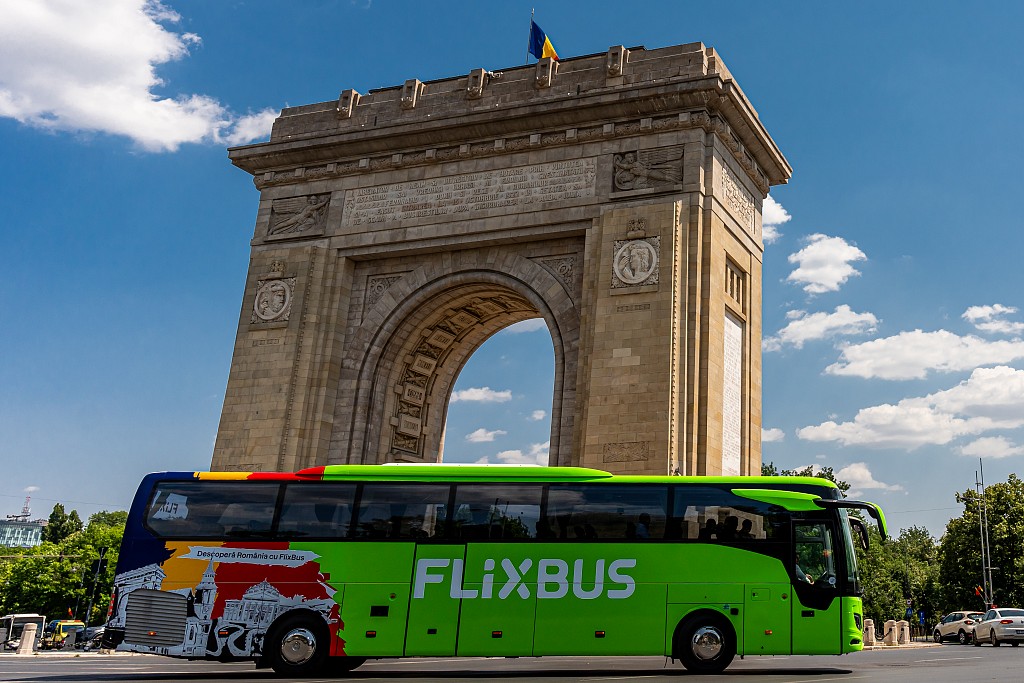

Eight months after the liberalization of intercounty transport in Romania, demand for coach travel is steadily increasing, according to FlixBus data. More than 600,000 passengers have traveled with FlixBus on national and international routes, including over 300,000 on domestic routes between July 2025 and February 2026.
The most popular destinations within the domestic FlixBus network are Constanța, Craiova, Cluj-Napoca, Iași, and Timișoara. Company data indicates growing demand for domestic travel, particularly on routes connecting major cities and tourist destinations, driven by a diversified transport offering and competitive pricing.
According to the latest Eurostat data, in 2024 only 28% (27.7%) of Romanians took at least one personal tourism trip, compared to the European Union average of 65.4%. At the same time, Romania is among the EU countries with the fastest growth in travel, both abroad (+62.2%) and in domestic tourism (over 20%).
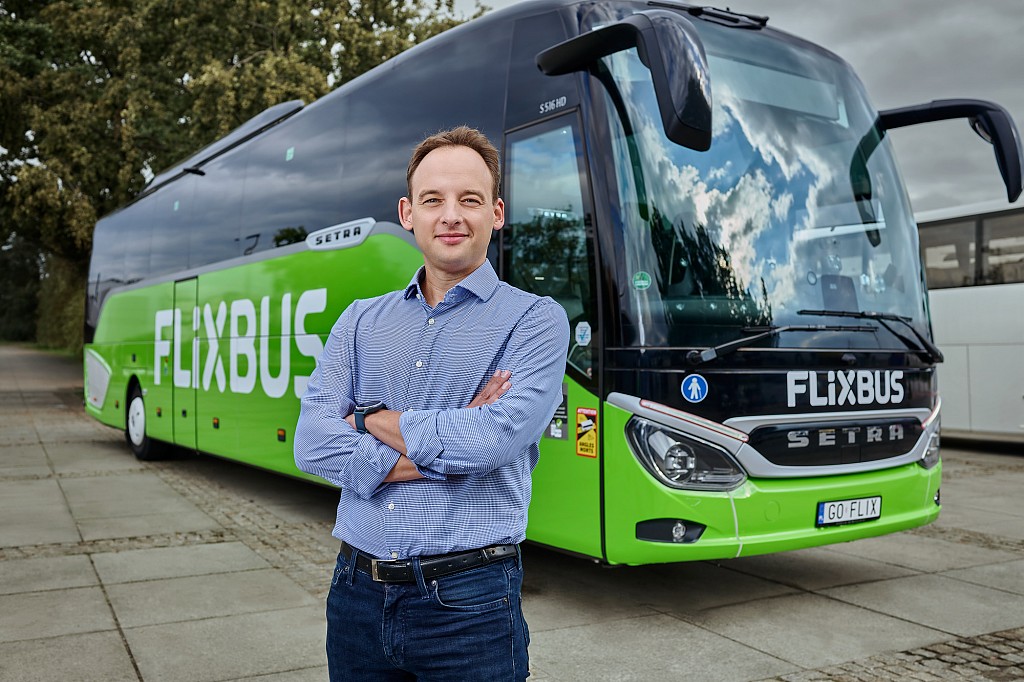
“Reaching over 600,000 passengers on national and international routes from Romania reflects both the growing trust in our services and the strength of a model built together with local partners. More than 300,000 of these passengers traveled on domestic routes following the liberalization of intercounty transport, clearly showing that when more options become available, people use them. Romania needs more affordable and accessible transport, and the regulatory framework should reflect how people want to travel—by enabling better access to bus stations and increased frequency, especially during peak season,” said Michał Leman, Vice President FlixBus Eastern Europe.
The company notes that most bookings for domestic routes are made online, with the mobile app and digital platform being the main purchase channels. However, passengers also have the option to buy physical tickets from partner travel agencies or Self Pay payment stations.
“In the first months of operating inter-county routes, we noticed that passengers prefer booking their tickets on our digital channels. Seasonality remains an important factor, with higher demand during holiday periods or events such as festivals or Christmas markets,” the FlixBus representative added.
Airports, a potential mobility hub for interurban transport connections
Romania has 17 airports, 12 of which operate international flights, highlighting the potential for developing intermodal connections between road and air transport.
While in other European countries coaches provide direct connections to airports—facilitating access for passengers from smaller cities to international flights- in Romania such connections are not currently possible, as inter-county routes operate separately from airport transfer services.
In 2026, Flix integrated Flibco into its network, a service specialized in airport transfers and active in several European countries. Through this network, passengers can reach over 100 airports across Europe, combining coach and air travel into a single journey.
“Romania has significant potential to develop intermodality. Today, with FlixBus, Romanian passengers can easily reach major regional airports such as Budapest, yet access to their main national airport in Bucharest remains limited. Connecting airports to the intercounty transport network would make travel simpler and more accessible for everyone, as already seen in countries like Poland and the Czech Republic,” noted Adrian Rășoiu, Head of Business Development and Operations FlixBus Romania and Bulgaria.
Present in Romania since 2018, FlixBus has continuously expanded its international network, connecting over 80 cities in the country with 16 European countries. Through partnerships with established Romanian transport operators, the company has become a popular option for international coach travel. Since July 2025, FlixBus has also operated in the interurban segment, connecting over 50 cities across Romania.
About Flix
Flix intends to transform the collective transport sector by offering sustainable and affordable long-distance bus- and train travel solutions in more than 40 countries across five continents through its brands FlixBus, FlixTrain, Kamil Koç, and Greyhound. With its asset-light business model and innovative technology platform, Flix, launched in 2013, swiftly established a market-leading position for long-distance bus travel in Europe, North America and Türkiye and is expanding further into South America and the Asia-Pacific region.
While Flix manages the commercial side of the business such as network planning, pricing, operations control, marketing and sales, quality management and continuous product development with a data-driven approach, trusted Flix partners conduct the daily operations. The innovative combination of Flix’s technology and sales platform with traditional passenger travel has turned a European start-up into a leading and globally expanding travel tech company.
For more information, please visit corporate.flix.com .