FlixBus launches Bucharest–Chișinău route and signs first partnership with a Moldovan transport operator
Sep 15, 2026
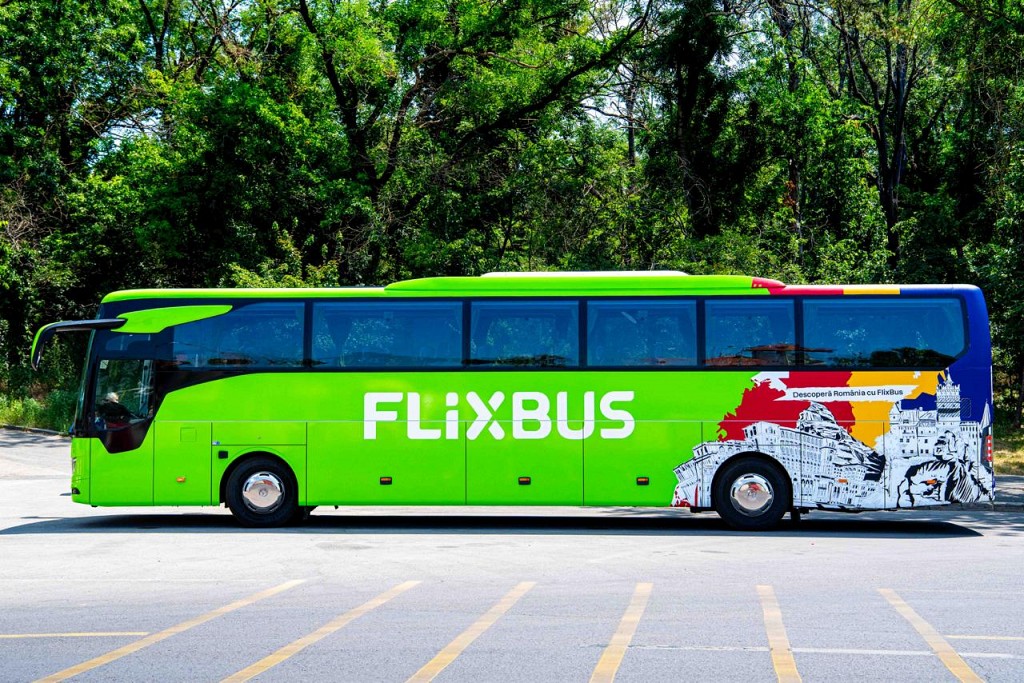
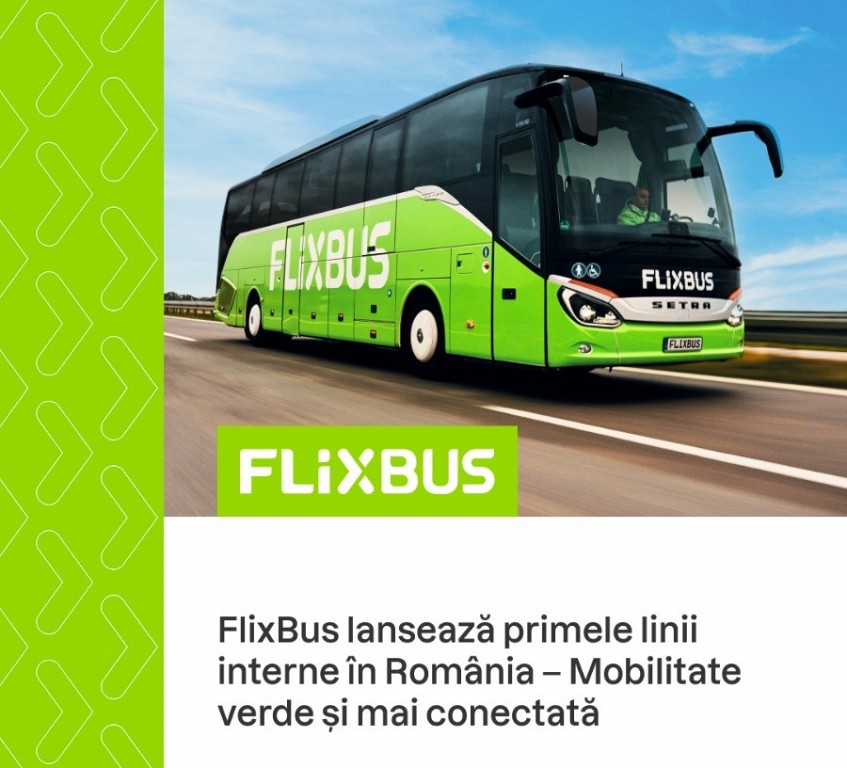
FlixBus launches its first domestic routes in Romania, connecting 50 cities through 10 lines operated together with local partners
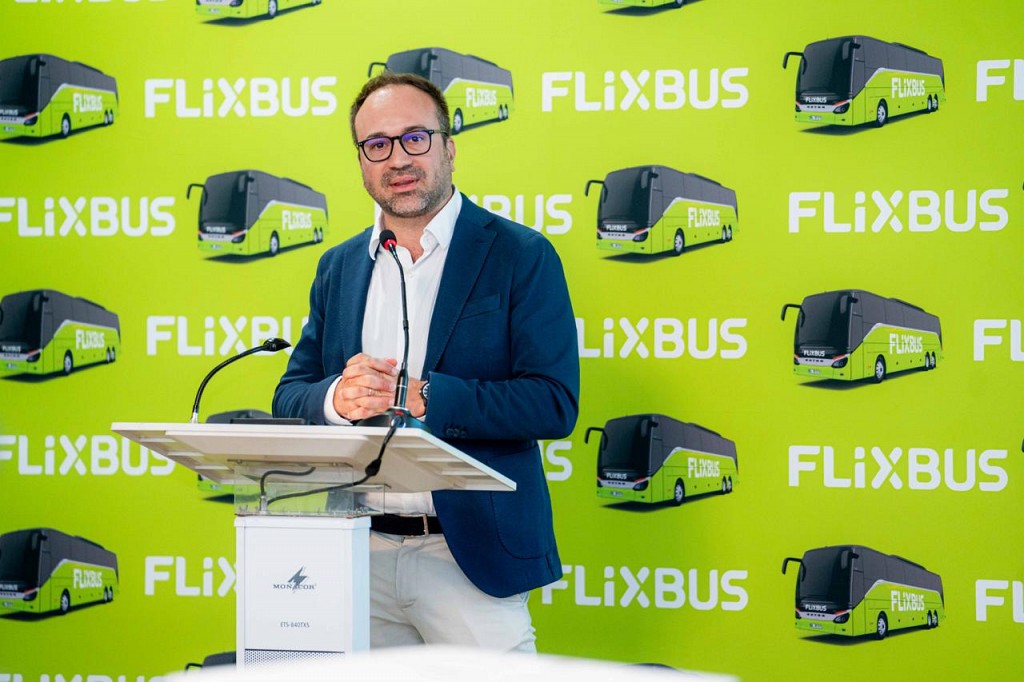
+++ Gabriel-Bogdan Ștețco, State Secretary at the Ministry of Economy, Digitalization, Entrepreneurship and Tourism: “Through modern and efficient connections between cities, we make it easier to reach tourist destinations across the country, supporting the local economy and promoting Romania's beauty.”
+++ Radu Dinescu, President of IRU and Secretary General of UNTRR: “We are pleased to see Romania taking an important step in this direction, and we support the development of intercounty transport within a competitive and fair framework.”
+++ Adrian Voican, Vice President of ANAT (National Association of Travel Agencies): “Accessibility is key to attracting tourists. A well-developed coach network can boost tourism, especially in areas less connected by rail or air.”
+++ Tudorel Andrei, President of INS (National Institute of Statistics): “If we look at top preferences, the coach remains in the top 3 means of transport favored by foreign tourists.”
– FlixBus, the travel-tech company operating the largest intercity coach network in Europe, announces its expansion into the domestic market by launching its first routes within Romania. The new routes will be operated in partnership with local carriers and will gradually connect major cities and tourist destinations across the country, offering an affordable, comfortable, and environmentally friendly mobility alternative.
After establishing a strong presence in international markets, FlixBus now launches coach routes between Romanian counties
Starting this summer, FlixBus is launching 10 domestic lines connecting over 50 cities in Romania. Passengers will be able to travel by coach from Constanța to Timișoara, from Bucharest to Iași or Satu Mare, as well as on many other routes that crisscross the country, offering a new national mobility option.
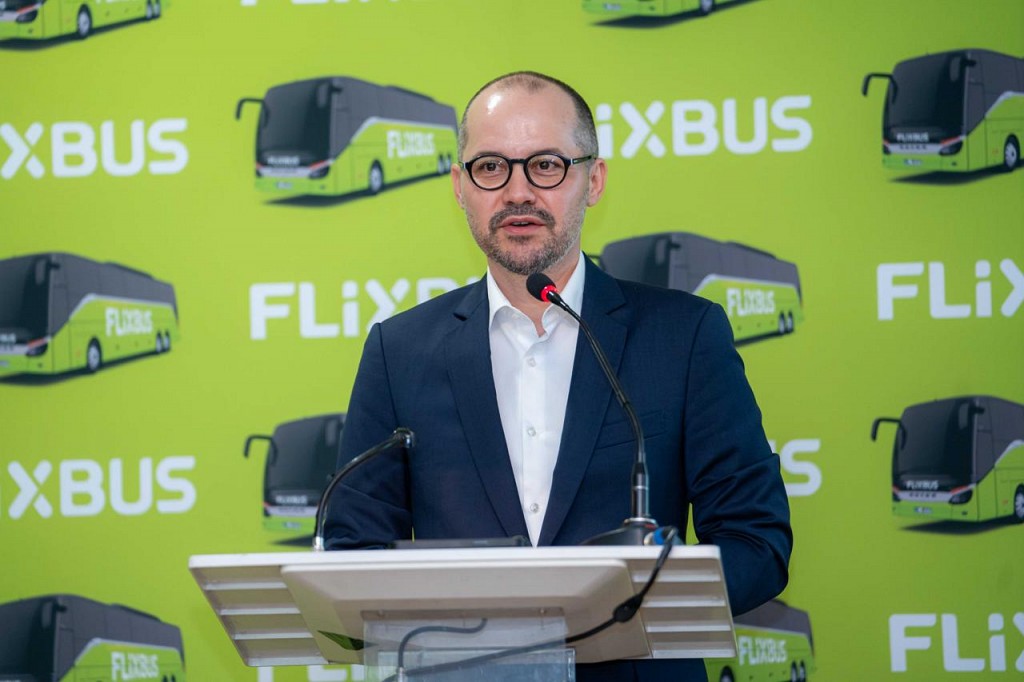
“Expanding the network internally is a natural step toward offering a fully integrated mobility solution for Romanian passengers. We want to provide a real and sustainable alternative for those who, until now, had no convenient transport options to travel within the country. We believe that, together with our partners, we can address not only the transport needs of Romanians but also support regional development and local tourism. Coaches are not just a means of transport—they are a tool for social and territorial inclusion, sustainability, and economic growth,” said Adrian Rășoiu, Business Development Director, FlixBus Romania.
Now, with the opening of the intercounty market and Romania aligning with the European model of transport liberalization, FlixBus brings its successful model to the domestic market, helping increase competition and improve service quality for Romanian passengers.
“The Ministry of Economy, Digitalization, Entrepreneurship and Tourism supports all projects and initiatives that provide quality services and contribute to the development of tourism in Romania. FlixBus’s expansion into the domestic transport market is an important step that diversifies mobility options for citizens, directly supporting the growth of internal and regional tourism. Through modern and efficient city connections, we make it easier to access tourist destinations across the country, boosting the local economy and showcasing Romania’s beauty,” said Gabriel-Bogdan Ștețco, State Secretary at the Ministry.
Intercounty transport liberalization – an opportunity for Romania
The launch of FlixBus’s domestic network comes at a key moment for the Romanian transport market, which is moving toward the European model by liberalizing intercounty transport.
Experience in other markets clearly shows the benefits of this step: more competition, better services, and more affordable prices for passengers.
“FlixBus recently celebrated 10 years in Italy, a market where liberalizing coach transport brought more competition, better prices, and greater access for passengers. We believe Romania has the same potential. With clear rules and support for innovation, we can build more accessible, sustainable mobility that’s connected to real people’s needs,” said Andrea Incondi, Vice President of FlixBus for Southern Europe.
With this change, Romania aligns with the successful European model already adopted in countries like Germany, France, Italy, and more recently, Portugal. Even during the pandemic, passenger numbers grew by over 40%, and intercity coach revenues increased by 14%.
Opening the transport market is something UNTRR has consistently supported, in order to align with European regulations and to create development opportunities for all operators. The experience of other countries and the emergence of new business models like FlixBus clearly show that liberalization brings direct benefits to passengers: more accessible, safer, and varied services. It also helps promote coach transport companies in an industry that is extremely fragmented both in Romania and across Europe. We’re glad to see Romania taking a big step in this direction and support the evolution of intercounty transport in a competitive and fair framework,” added Radu Dinescu, IRU President and Secretary General of UNTRR.
Coach transport – a real opportunity for growing domestic tourism and attracting foreign tourists
Launching a modern long-distance coach network has major potential for Romania’s tourism sector. Improved connectivity between cities and tourist areas can boost both domestic travel and the attraction of foreign tourists via FlixBus’s already well-developed European network.
The importance of accessible and efficient transport infrastructure is also supported by official data.
“Between 2021–2024, transport spending by both Romanian and foreign tourists increased in real terms by almost 30%. Notably, in 2024, foreign tourists’ transport spending rose by 15.3%, proving their interest in our country and the growing need for mobility and good connections to all tourist regions. About 37,000 foreign tourists chose the coach as their means of transport in Romania in 2024, and if we look at preferences, the coach remains in the top 3 transport choices for foreign tourists,” said Tudorel Andrei, President of the National Institute of Statistics.
Tourism industry representatives also believe that improving road access between cities and tourist regions is essential for making Romania a more attractive destination.
“Accessibility is key to attracting tourists. A well-developed coach transport network can make a real difference in boosting tourism, especially in areas underserved by airports or competitive rail lines. Moreover, European tourists already familiar with the FlixBus brand will be more confident in exploring Romania the same way. This is a welcome step for the entire industry,” stated Adrian Voican, Vice President of ANAT.
A new way to travel in Romania: Accessibility, sustainability, and connectivity
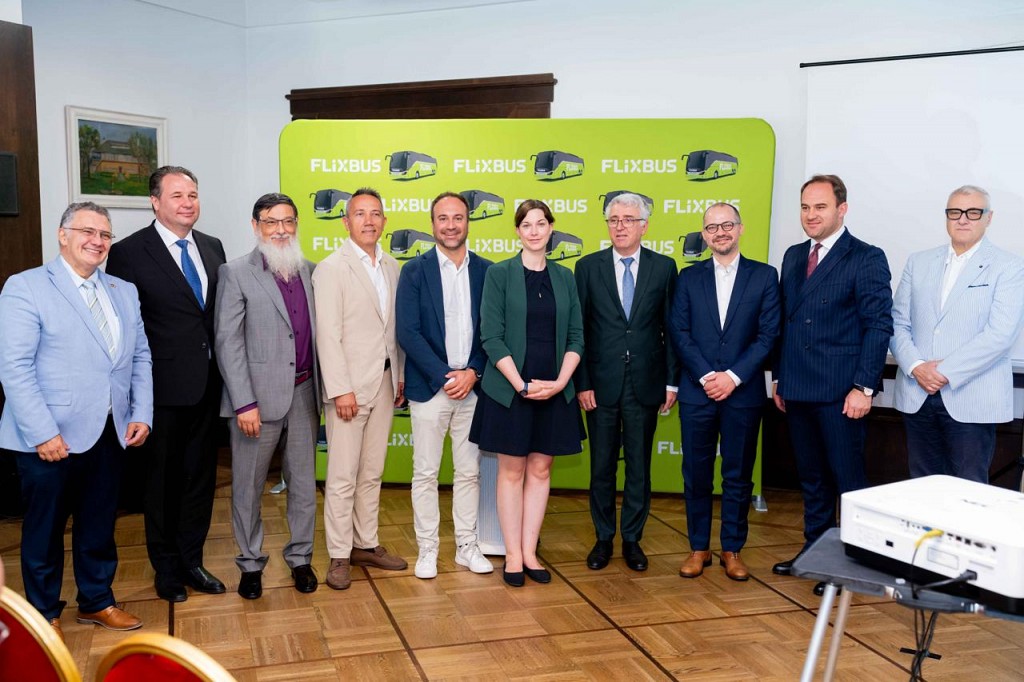
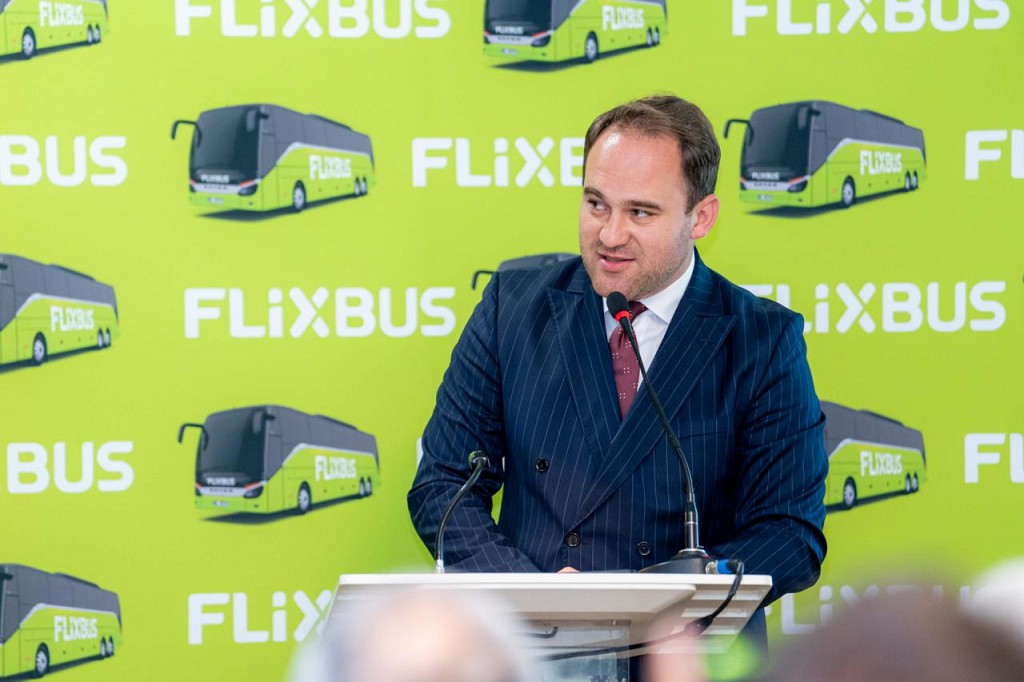
The launch event of FlixBus’s first domestic routes in Romania brought together officials, business leaders, embassies, and local partners, marking an important step in modernizing the country’s intercity transport. Guests emphasized the positive impact that transport liberalization can have on the economy and mobility.
“FlixBus has managed to develop an extensive and well-connected global network. Our partnership will allow us to offer services that better match the real needs of passengers and provide more efficient connectivity, both nationally and internationally,” said Nelu Sighiartău, CEO of Tabita Tour.
Sandrina Köbinger, Head of the Economic and Commercial Section at the German Embassy, highlighted the importance of European connectivity and German investments in supporting regional development and sustainable mobility.
Roberto Musneci, President of the Italian Chamber of Commerce in Romania, spoke about the liberalization model applied in Italy, which contributed to the development of tourism and improved coach accessibility.
Examples from Italy and Germany were presented as relevant best practices for the Romanian context, as the intercounty market opens to competition. Present in Romania since 2018, FlixBus has consistently expanded its international transport network and its number of local partners, connecting over 80 cities in the country to more than 160 European destinations. Through strategic partnerships with well-established Romanian transport operators, the company has become one of the preferred options for international coach travel.
t se ocupă de operarea rutelor. Combinația de start-up tech și companie clasică de transport a poziționat Flix ca lider în sector, schimbând permanent peisajul global al mobilității.