Macroeconomic Insights #3/2026
Sep 14, 2026
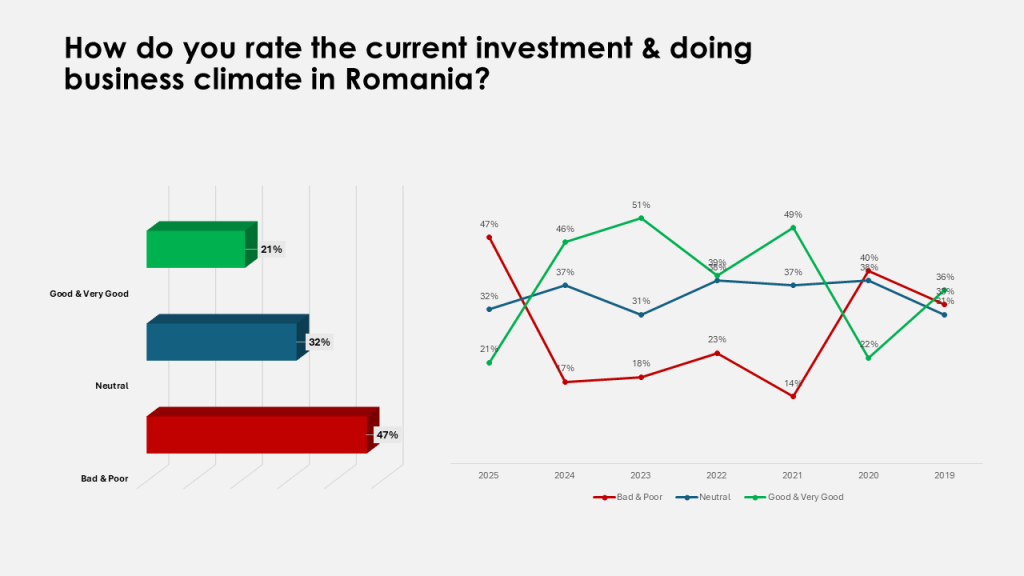
AmCham Romania shartes the results of the 7th annual survey on Romania’s investment and business climate, which signals a sharp deterioration in private sector confidence: only 21% of companies now assess the situation as good or very good, compared to 45% in 2024, with confidence level falling even below the level of 2020, an year marked by recession and the uncertainties generated by the COVID-19 pandemic.
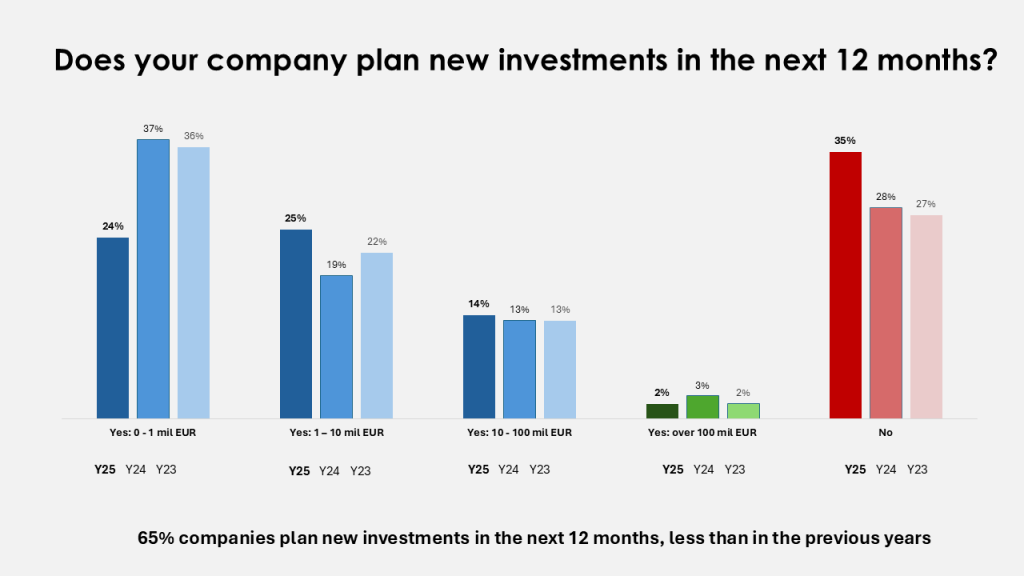
Even in this context of declining confidence and slowing economic growth, AmCham member companies' commitment to Romania is reflected in their continued positive outlook on investments planned over the next 12 months and on midterm business development.
“The survey results are a snapshot of the period May 2024 – October 2025 and reflect all the challenges Romania, the private sector and our AmCham business community of 600 American, international, and Romanian companies: a 2024 marked by multiple electoral rounds; the deterioration of macroeconomic indicators, temporary intensification of the risk of a ‘junk’ rating downgrade by rating agencies, the risk of European funds suspension; and a set of recovery measures focused predominantly on fiscal measures, while reforms in the public and administrative sector were significantly delayed compared with the expectations of the private sector. All these internal challenges, overlapping with a prolonged period of crises and transformations at European and global levels, have contributed to the depreciation of business and investor confidence recorded in October 2025, which is below the levels of 2020, the pandemic year.
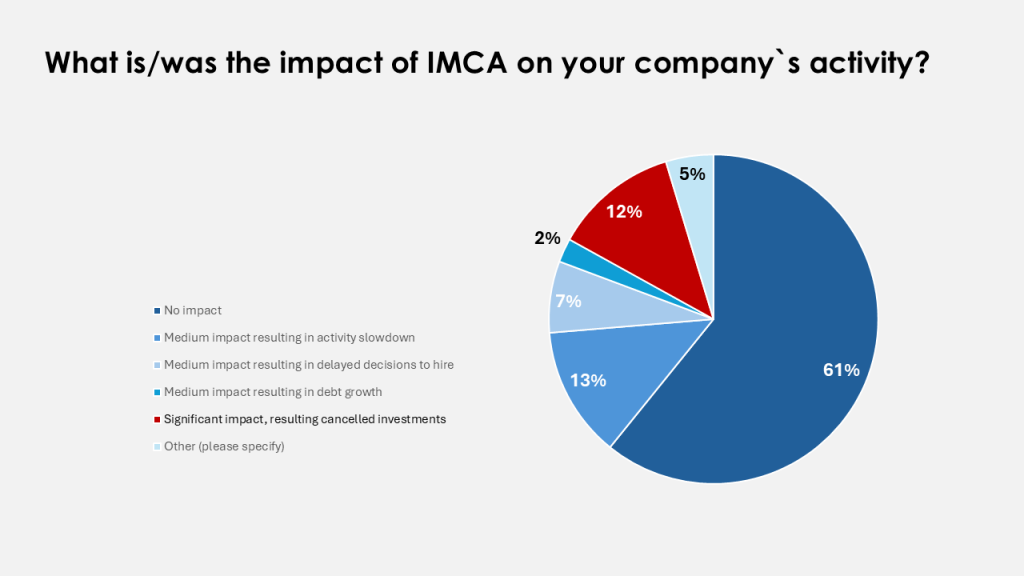
The good news is, however, that looking ahead, investors maintain confidence in Romania, on condition that the reform trajectory is upheld and the commitment to reverse harmful fiscal measures, such as the minimum turnover tax (IMCA), is observed,” emphasized AmCham Romania President, Vlad Boeriu.
The pressures on the private sector and the challenges faced by AmCham member companies, as reflected in the survey responses, outline a clear economic agenda for 2026, a decisive year for Romania’s trajectory. Business priorities include the firm continuation of efforts toward OECD accession, maximizing the absorption of funds available through the NRRP by the end of the program, in August 2026, and preparation for the next European funding cycle through early involvement in defining allocation criteria and priorities at EU level.
At the same time, Romania needs a stronger strategic positioning at the European and transatlantic level. 18 years after EU accession, strengthening Romania’s role and voice within the Union, including through contributions to collective efforts to enhance defense capacity, must be matched by reinforcing the strategic partnership with the United States, both economically and in terms of security. Equally essential is establishing a viable, competitive investment framework focused on sectors with high potential to generate significant added value and enhance Romania’s overall competitiveness.
Last but not least, the 2026 agenda must be defined by structural reforms accepted across the political spectrum, beyond electoral logic, to address the root causes of the economic imbalances that have deteriorated Romania’s macroeconomic situation.
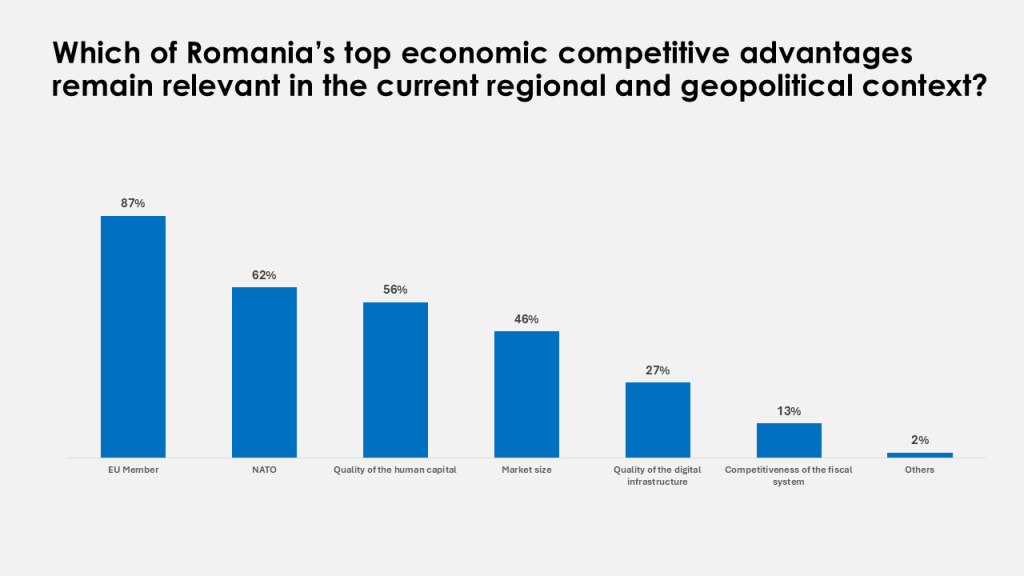
Fighting corruption and tax evasion, accelerating the digitalization of public administration, especially tax administration, reforms, and investments as basic conditions for strengthening human capital, which remains Romania’s most valued competitive advantage, continued investment in infrastructure, predictability of investment conditions, and a coherent economic policy are essential to restoring confidence among citizens, investors, creditors, and international partners. In recent years, inconsistency, inaction, and frequent political changes have been obstacles to economic growth. While other economies in the region accelerated reforms and strengthened competitiveness, Romania lagged behind its potential. Traditional competitive advantages that once placed Romania on the investment map have eroded, and no new ones have emerged. To remain relevant in an increasingly competitive global economy, Romania must raise its level of ambition and build new advantages promoted through professional and effective economic diplomacy capable of attracting investment and positioning Romania on international markets.
“2026 brings a unique chance to be a reset year for Romania. The absence of electoral pressure creates a real opportunity to implement deep reforms, accelerate investment, and strengthen Romania’s position as a credible economic and strategic partner in the region. Whether we speak about fiscal policy, education, healthcare, digitalization, defense, or justice, the reality of 2025, from January to December, once again confirms that postponing addressing the root causes of imbalances that have destabilized Romania only amplifies negative effects in society and the economy and makes them more difficult and costly to correct. How we capitalize on this year will influence Romania’s long-term trajectory, prosperity, security, and competitiveness,” concluded the AmCham Romania President, Vlad Boeriu.
Below is a summary of the responses to the 7th edition of the AmCham Romania Business Barometer Survey, conducted in October 2025, with the participation of 204 AmCham member companies, American, international, and Romanian, of which 40% are large taxpayers, 44% medium taxpayers, and 16% small taxpayers (according to ANAF classification).
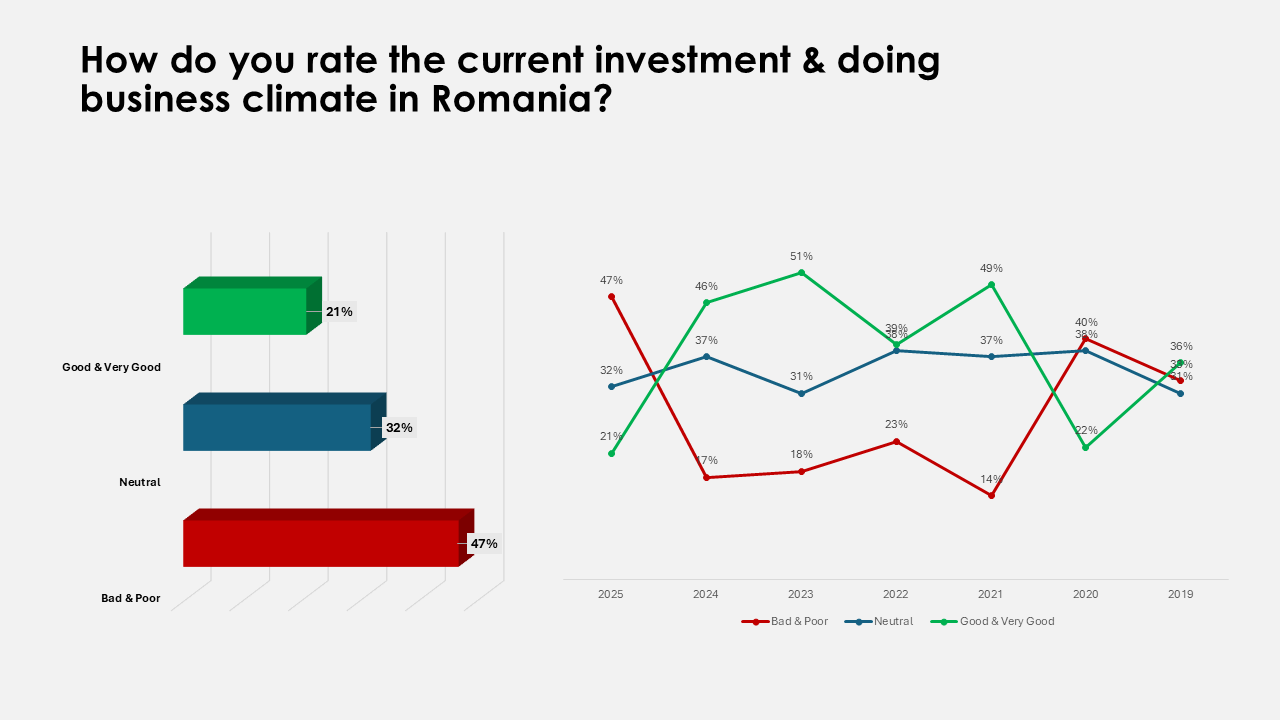
Confidence declined sharply, from 45% to just 21% of participating companies still rating the investment climate as good or very good, a level below that recorded during the pandemic year. The business environment is experiencing fiscal and political uncertainty, complicating medium- and long-term planning.
Lack of predictability in public policies, uncertainty regarding the outcomes of long-awaited reforms, escalating pressure related to twin deficits, alongside external pressures and sector-specific challenges, all negatively affect companies’ outlooks.
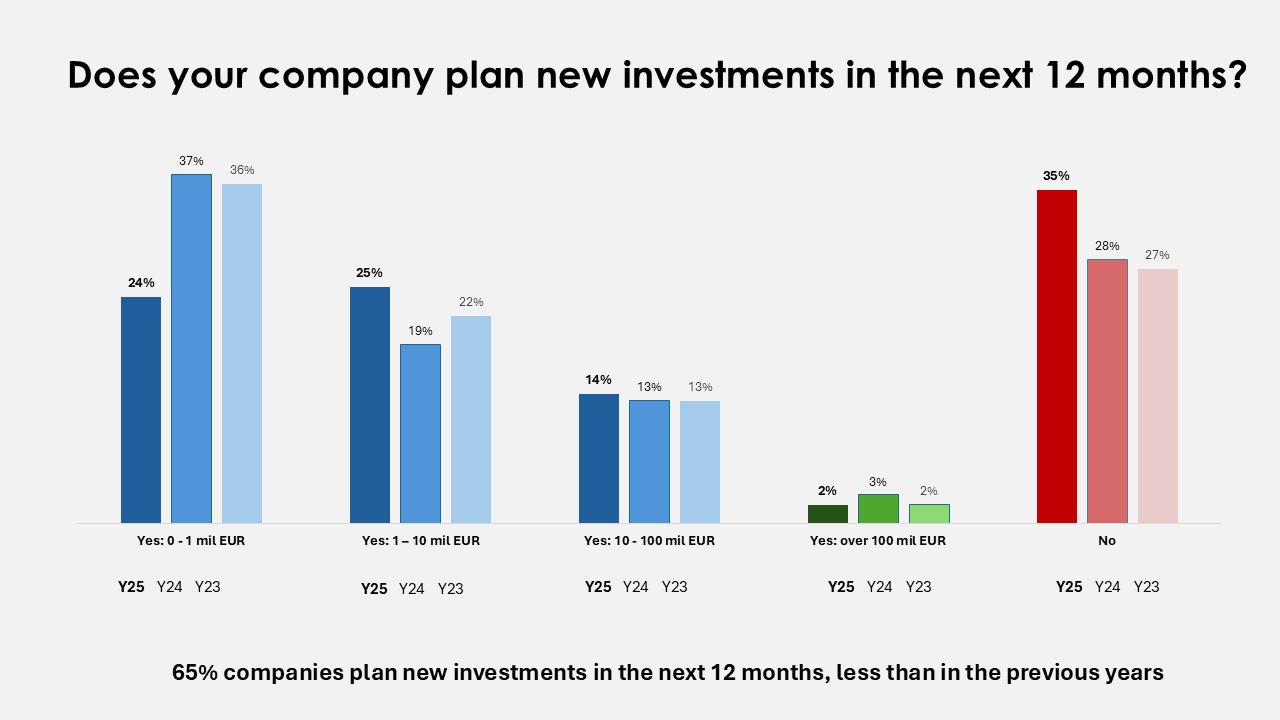

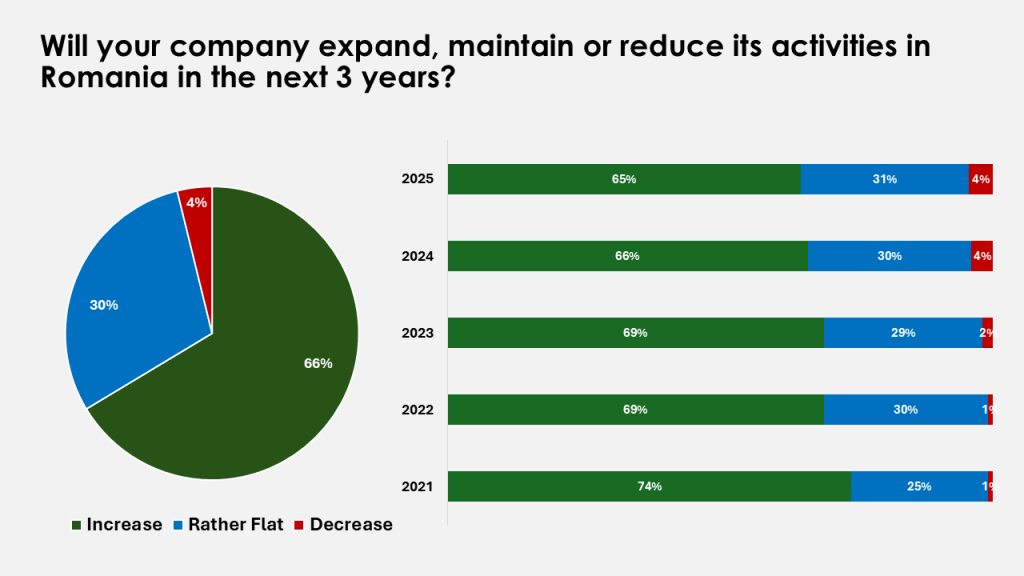
Even amid a sharp decline in confidence (from 47% to 21%) and slowing economic growth, the commitment of AmCham member companies to Romania is reflected in maintaining a positive outlook on investments planned over the next 12 months and on business consolidation over the medium term:
These positive responses reflect confidence that Romania’s economy will return, over the medium term, to more robust growth, supported by reforms and investments under the PNRR and by the gradual mitigation of negative effects associated with fiscal consolidation.
Despite volatility and uncertainty, responses highlight the structural resilience of the business environment and the potential for sustainable economic recovery. Most participating AmCham member companies view Romania not merely as a short-term speculative market, but as a strategic market for medium-term business expansion and consolidation.

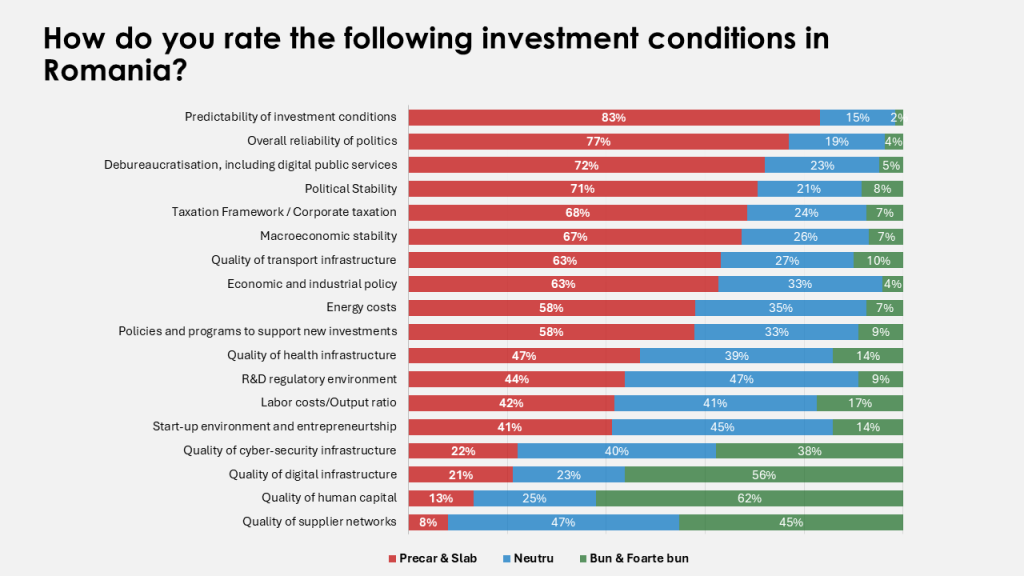
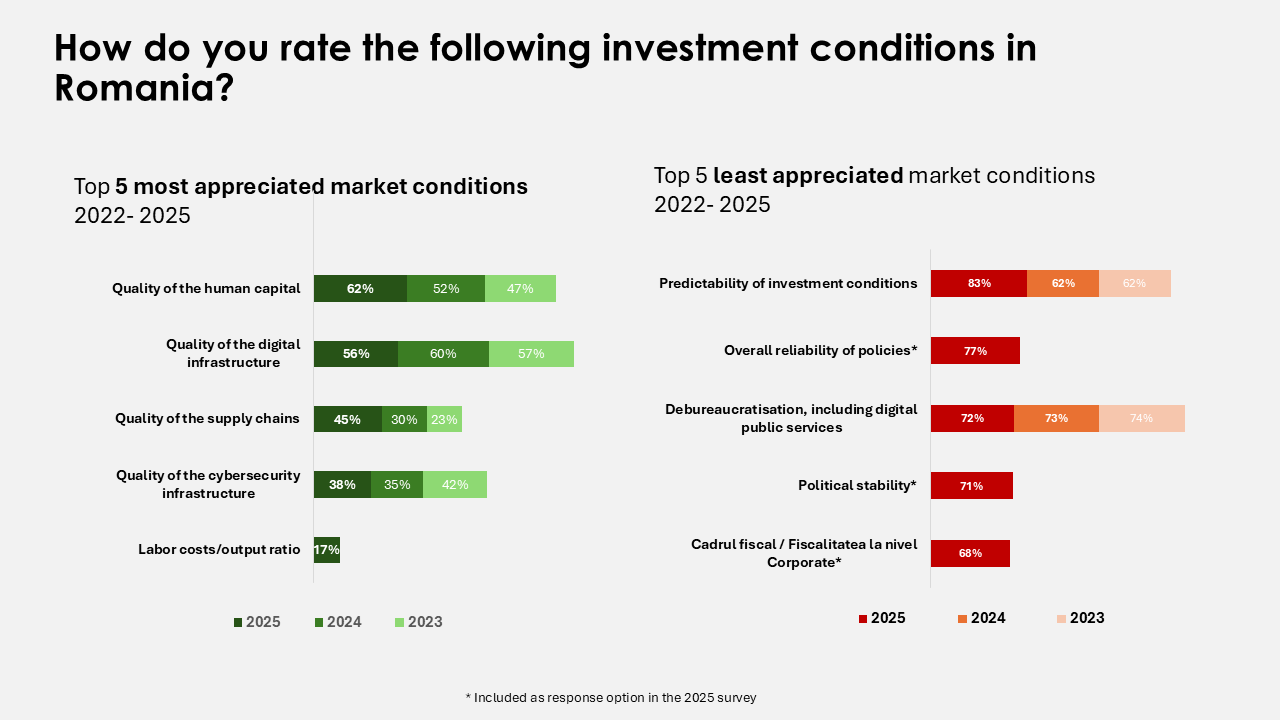
Among the least appreciated market conditions are:
If in previous years the quality of transport infrastructure consistently topped the list of the least appreciated market conditions, in 2025 investments made in expanding the motorway network are beginning to be felt, reflected in a decrease in investor dissatisfaction from 83% in 2023 to 63% by the end of 2025. Nevertheless, for the time being, transport infrastructure remains among the top 10 weak market conditions, shifting from 1st place in 2023 to 7th place in 2025.
By contrast, the predictability of investment conditions has followed an opposite trend, deteriorating significantly and consistently over the past three years and reaching 1st place in 2025 as the least appreciated market condition. This is a worrying development and one that places Romania at a disadvantage in the European and global context of the ongoing reconfiguration of economic and production flows.
Increase (Good & Very Good) 2024 vs. 2025
Decrease (Weak & Poor) 2024 vs. 2025
The 10 pp increase in the appreciation of human capital reflects recent labor market dynamics: retooling, automation, and the wave of AI have made the workforce more accessible to companies, highlighting the skills available in specific segments. Nevertheless, greater attention is needed regarding depreciation factors: the high school dropout rate, functional illiteracy, and the large share of NEET youth indicate that Romania cannot build a sustainable economy solely on islands of excellence; systemic interventions are needed to strengthen the quality of human capital at the national level.
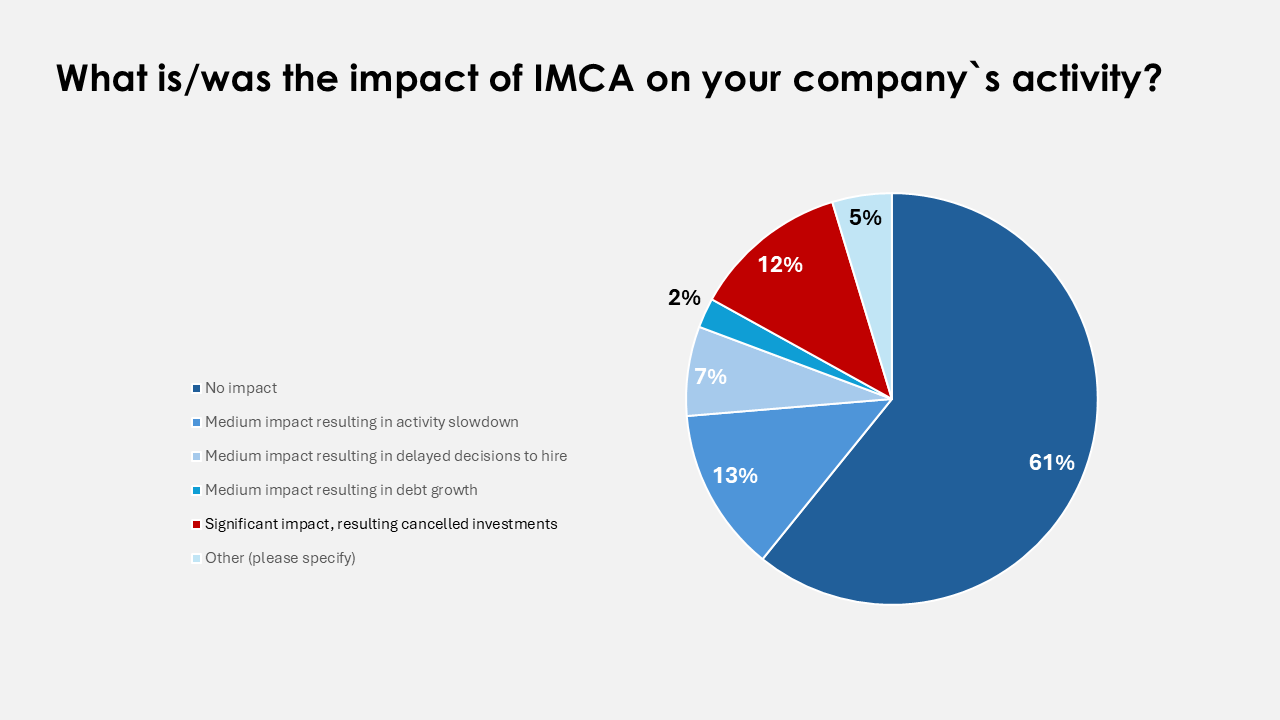
The 21 pp decline in the predictability of investment conditions reflects the direct effects of unpredictable fiscal measures and incoherent administration. Factors weighing heavily in this ranking include domestic fiscal inventiveness manifested through distortive forms of taxation (such as the minimum turnover tax – IMCA), frequent regulatory changes, and shifting tax interpretations, all of which generate uncertainty and difficulties in investment planning.
At the same time, countries in the region have stepped up their positioning to attract foreign direct investment (FDI), offering stability, predictability, and clear, tangible incentives, thereby increasing the risk that Romania may lose competitive ground in attracting private capital.
It is therefore essential to pursue swift, coherent action to strengthen the fiscal and administrative framework, sending a clear signal to the business community that Romania remains an attractive destination for medium- and long-term investment.
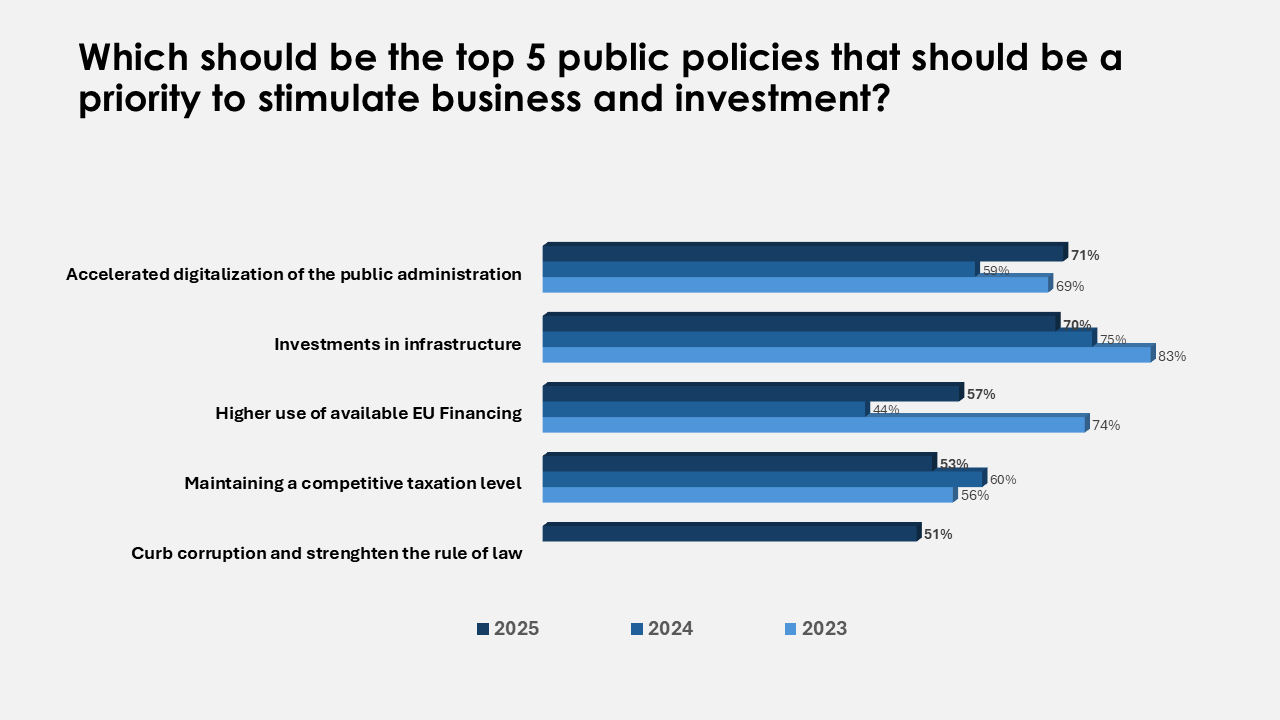
Responses indicate the growing importance of economic governance quality, compared to the previous editions’ focus on infrastructure. Companies emphasize the need to improve state administrative capacity and effective reform implementation:
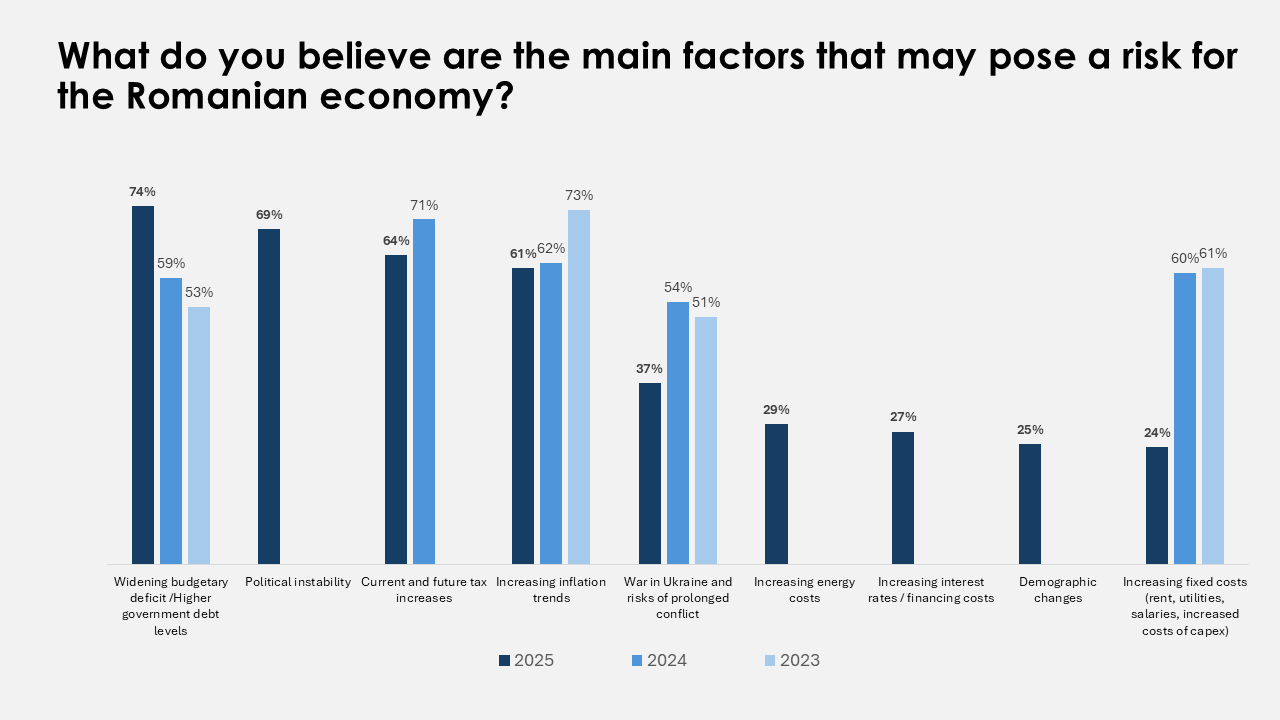
Key macroeconomic risks for Romania include:
The business community is concerned about fiscal developments, given the need for significant deficit reduction under Romania’s multiannual agreement with the European Commission. If current fiscal policies prove ineffective, there is a risk of additional tax burdens with negative economic effects. The effectiveness of tax evasion measures will need to be assessed based on concrete results.
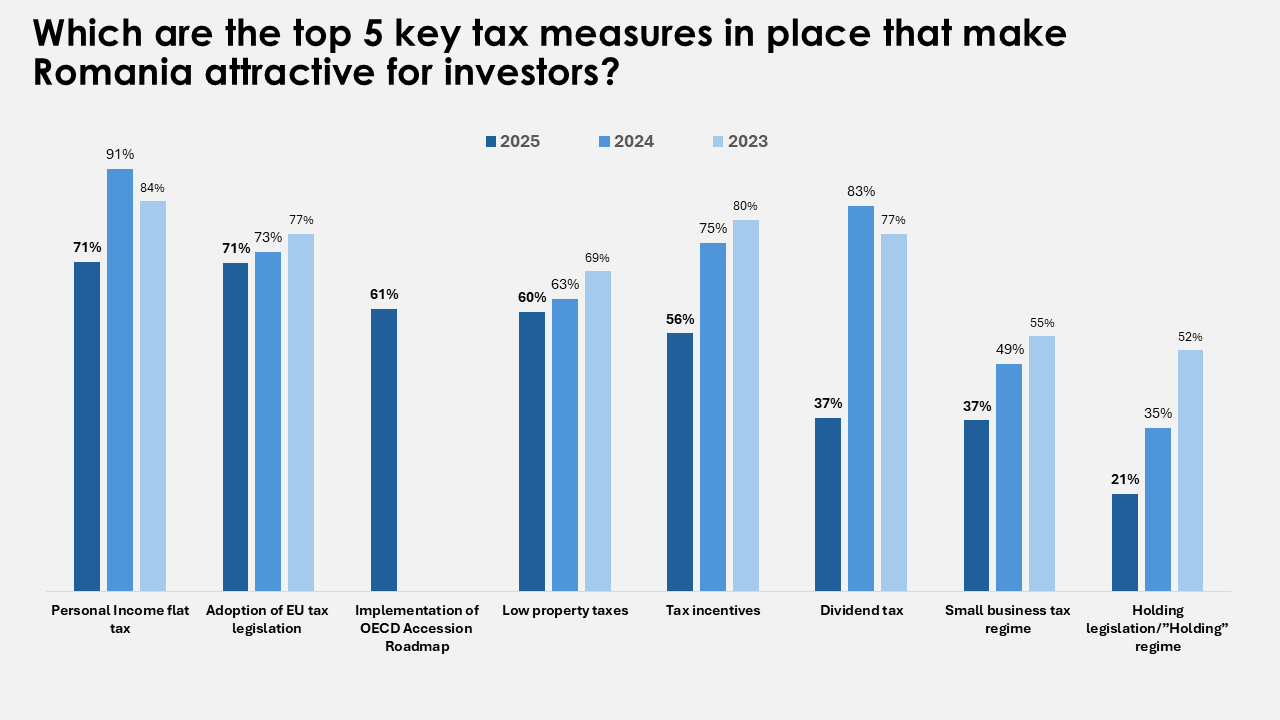
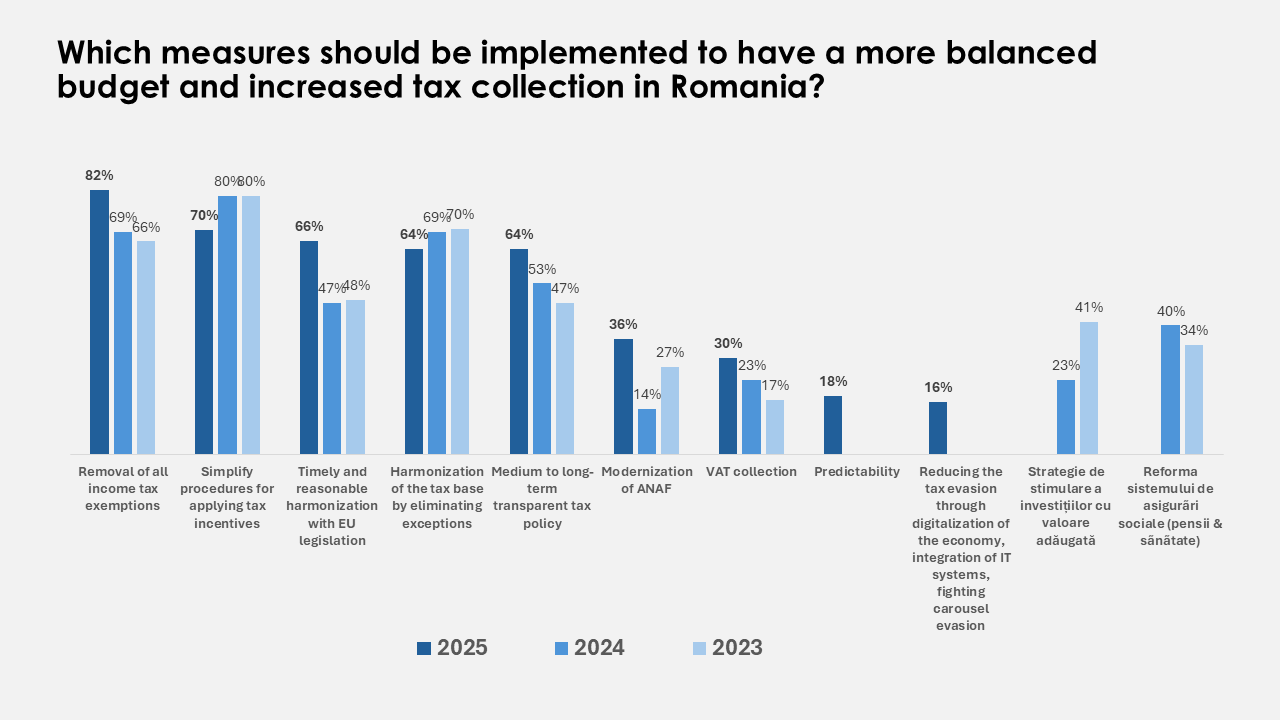
It is worth noting that the first two measures gathering the highest number of responses refer to tax exemptions, in line with the direction assumed by AmCham Romania members to support a predictable and fair business environment, in which all companies operate under the same rules, without privileges or exceptions that may distort the market. At the same time, simplifying procedures for those incentives that are economically justified and will be maintained, correlated with the need to develop strategic sectors, highlights the need to reduce bureaucracy and administrative complexity, so that companies can apply the law easily and are not required to bear additional costs and risks.

Top global trends impacting business in Romania include:
At the same time, these trends represent opportunities for sustainable growth if Romania capitalizes on them through strategic policies, public-private partnerships, and targeted incentives for large-scale investors.